
Classifications and habitat details help turn camera media into usable records for stewardship work.
A clearer signal from the woods
Help transform raw footage into shared knowledge.
The classifier gives volunteers a practical way to support TWC from any computer: identify what appears, add details after consensus, and use TWCNET to turn standout moments into community field notes.
How it works
A trail-camera file becomes a stronger signal step by step.
The Classifier does not ask one person to solve everything. Each volunteer action adds a little clarity until the record is ready to teach, inform, or start a conversation.
Raw frame
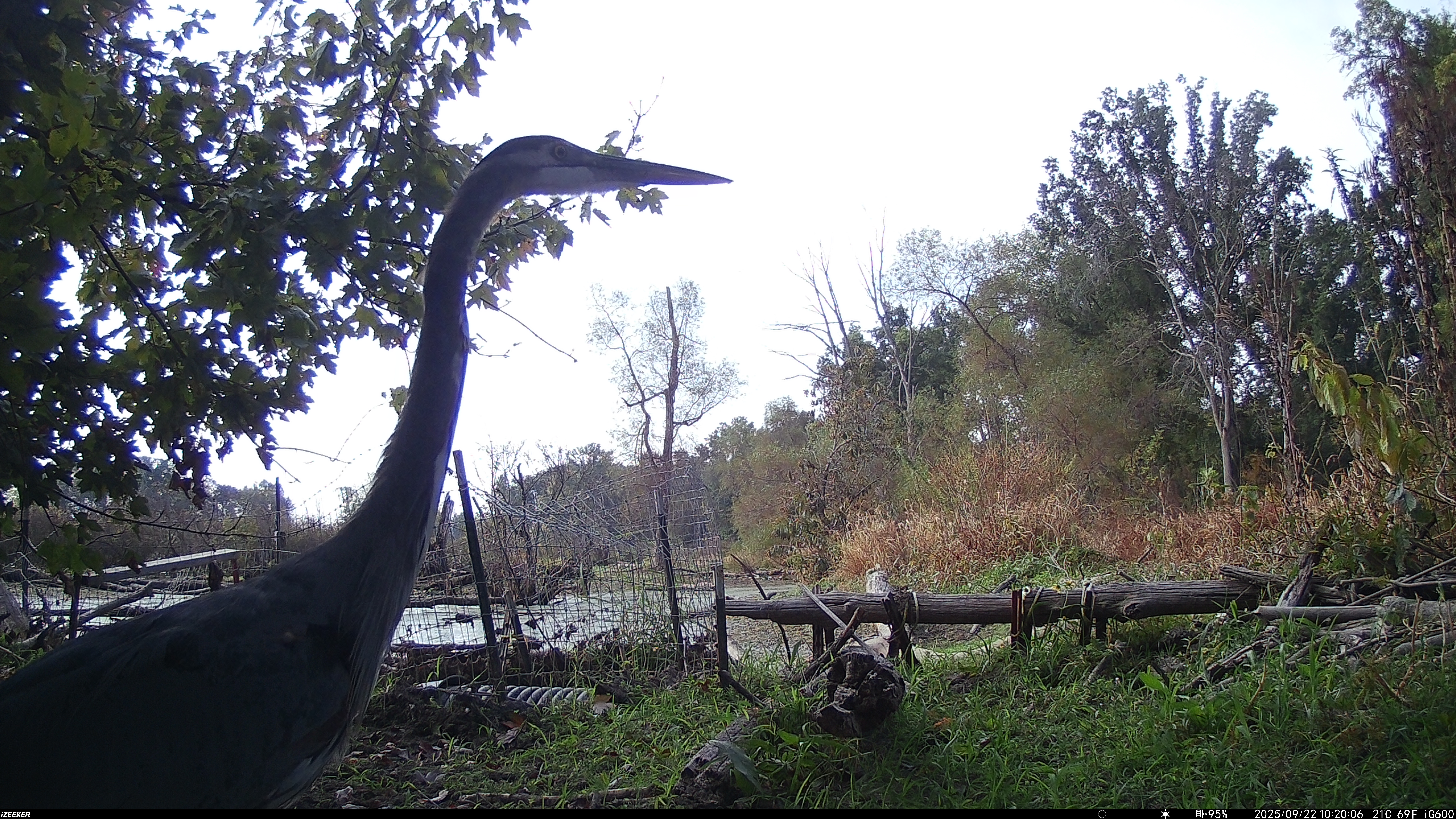
A photo or video enters the review queue. Some records are obvious; others need motion, zoom, or a careful second look.
Volunteer classification
You choose the animal category, use multi-select when multiple animals are clearly visible, or skip when the evidence is too thin.
Consensus check
Multiple reviews turn agreement into confidence. The system can also ask focused follow-up questions for multi-category media.
Detail layer
Wildlife Details and Habitat Details add behavior, count, visible traits, and camera-location habitat once the basic record is stable.
Community field note
Gallery and TWCNET let volunteers share standout records, compare observations, and connect related sightings when they belong together.
Why the signal path matters
Community science works because small observations compound.
A species vote is useful. A consensus-backed record with behavior, habitat, and a community note is more useful. The classifier is designed to let volunteers build that value together without turning participation into a technical research task.